The living bridge
Pittsburgh, Pennsylvania, USA.
Participants: Levi Berger, Javier Torrego Pérez
Tutor: Susan Conger, Paul Endres
University: IIT
The way in which architects and urbanists have been building the city over the centuries makes us perceive it as a constant stratification of needs, society, science, industry, politics, culture and the rest of the fields of each period which have been frozen in time, and formally translated into a layer of the collage of the different spatial devices. This devices are in continuous dialogue with each other and compose the current macro-spaces that orchestrate humanity. All of this interactions ,together with the rapid evolution of science and society, end up generating many conflicts in space within the cities that contaminate the order that is trying to be kept in them (in order to fulfill the human needs with the current ¨resources¨), and makes each time harder to overlap the next layer of time, generating less accurate spatial devices as well as paradoxes and nonsense builts that waste our increasingly scarce resources.
This means that the generators of this spatial devices, (architects, urbanists and stakeholders like politicians and entrepreneurs) have the responsibility of projecting all of them to be able not only to adapt as good as possible to the preexisting context to avoid generating conflictive situations with all the already complex urban mosaic of the cities, but as well to articulate and hierarchize the cities in a way that responds to the current needs, society, wills and ideas. This could mean that the better we understand the present, the better we can respond in the future.
But, what if we rephrase the question?
What if we could abandon the spatial inertia that the city imposes, and therefore, be free of all those conflicts that have dragged on for centuries? Therefore, establishing a urban model with a new plan, that did not rely on the previous ones that has as a base the immediate response to the current needs, society, science, industry, politics and culture, and that will be able to grow to its beauty, to its convenience.
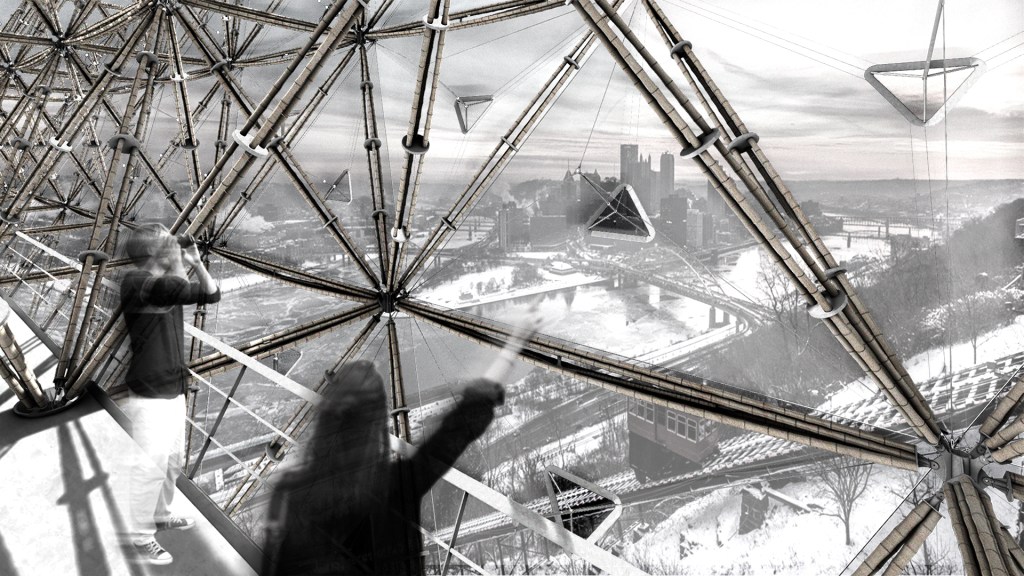
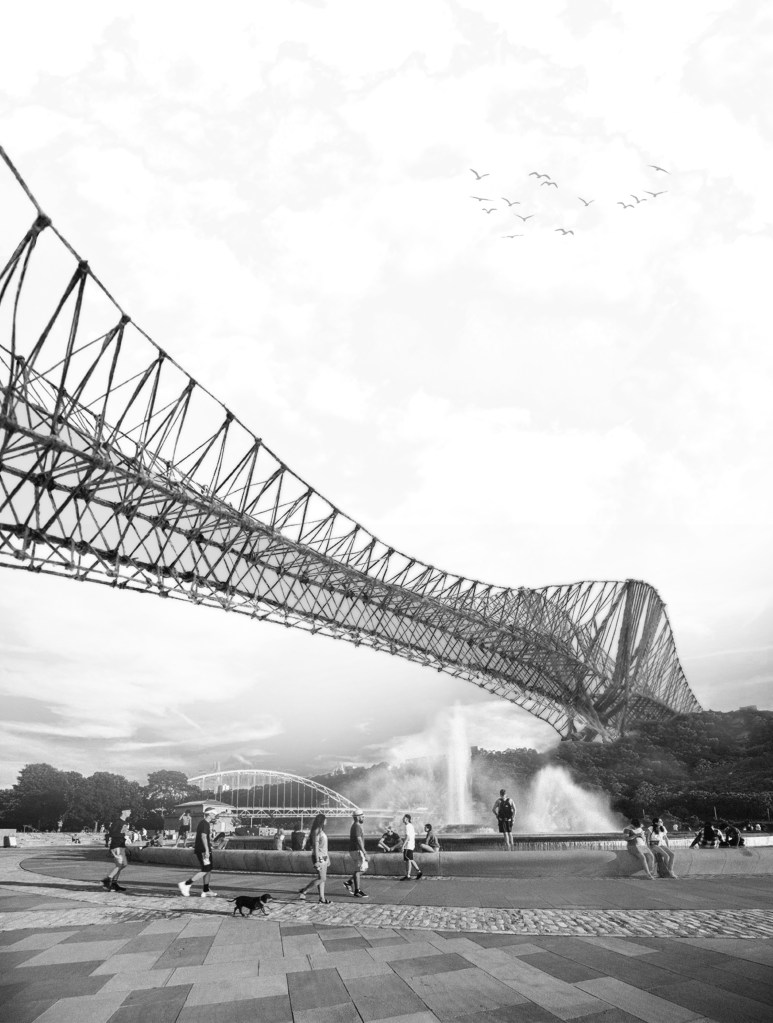
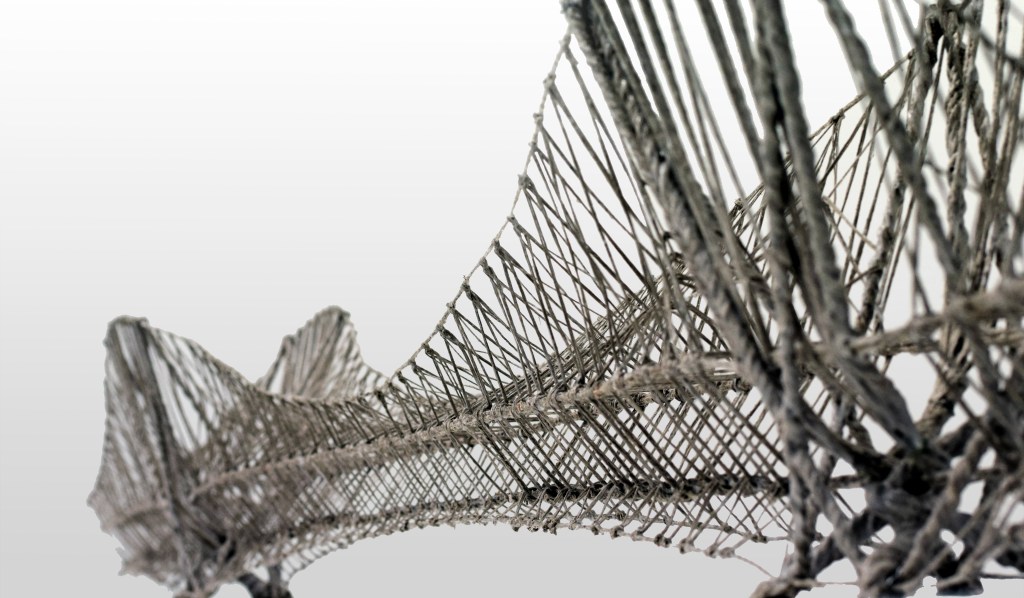
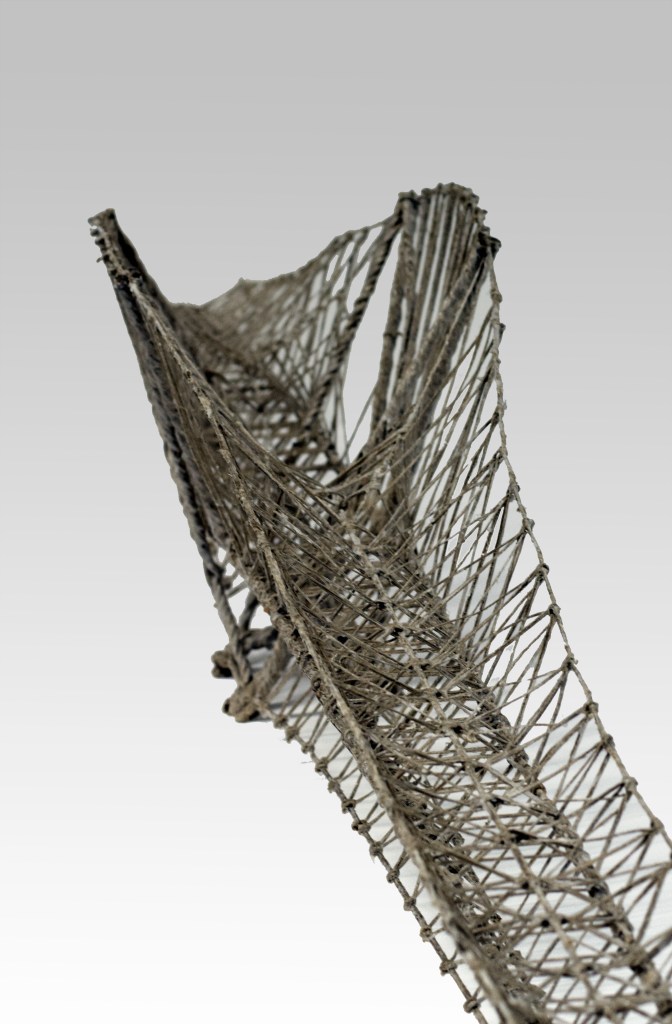
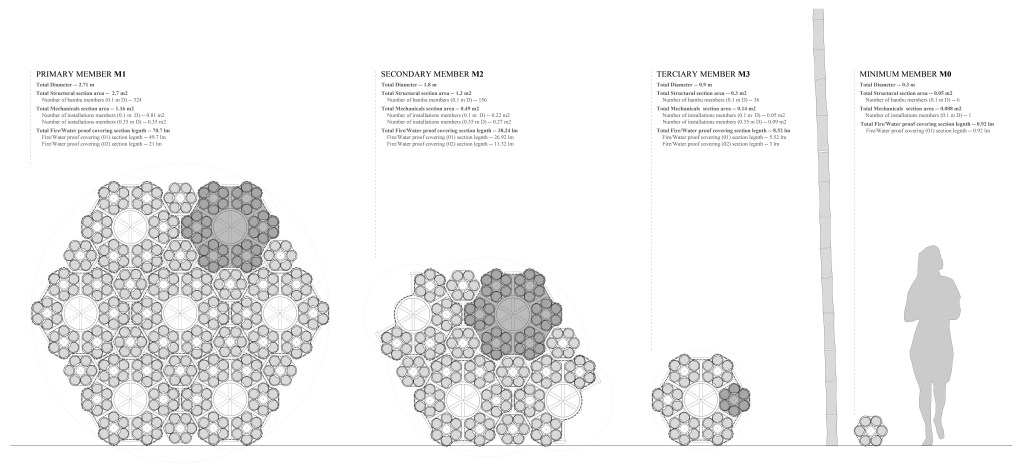
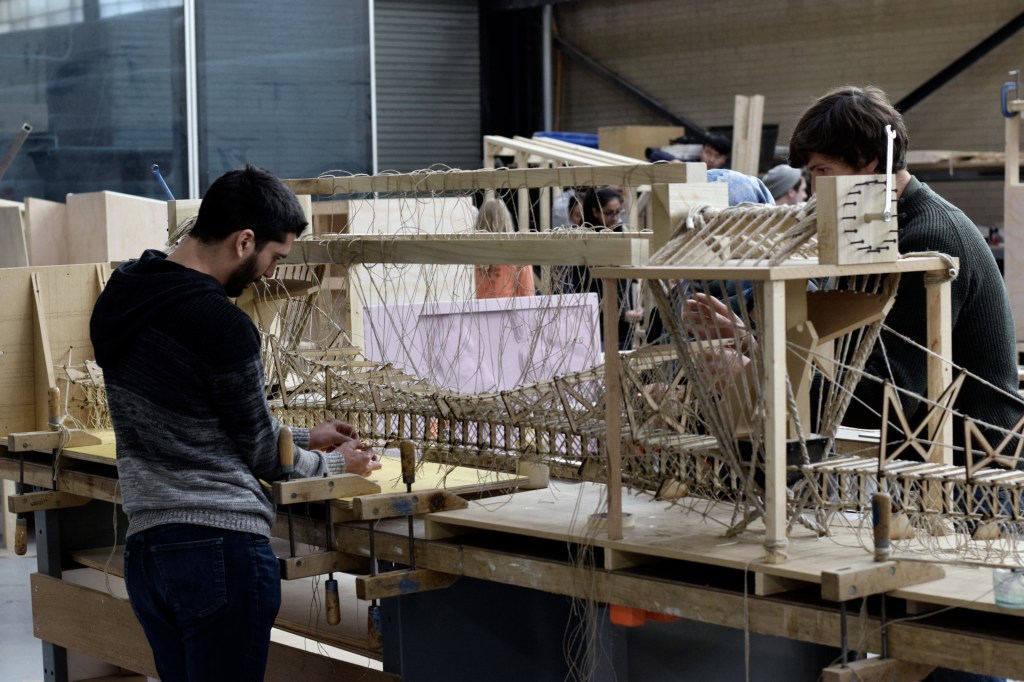
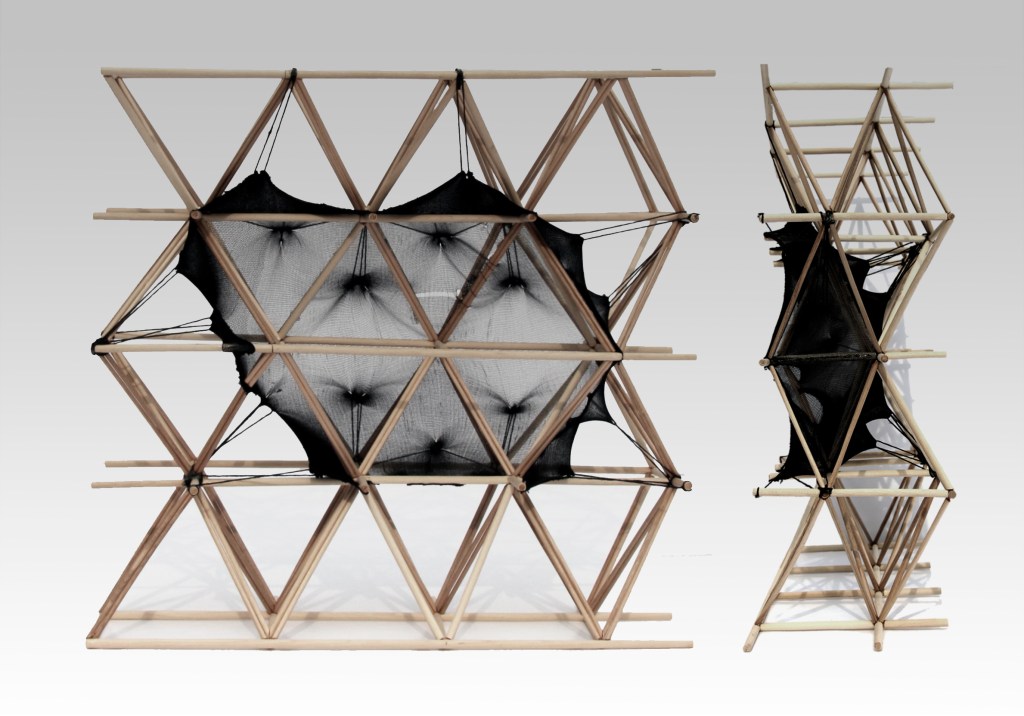
The living bridge is a self-sustaining urban model that is resource-rich and proposes the reorganization of the spatial systems of a city, rising from the ground to stop having the floor plan as an organizational reference (in addition to reducing its footprint to the minimum) providing a space studied for each use / system simplifying the way in which they relate to each other in order to avoid spatial conflicts. The inhabitants have the capacity to occupy the space according to their needs, without having to depend on a large-scale bureaucratic process.he living bridge is a self-sustaining urban model that is resource-rich and proposes the reorganization of the spatial systems of a city, rising from the ground to stop having the floor plan as an organizational reference (in addition to reducing its footprint to the minimum) providing a space studied for each use / system, simplifying the way in which they relate to each other in order to avoid spatial conflicts. The inhabitants have the capacity to occupy the space according to their needs, without having to depend on a large-scale bureaucratic process.






 Javier Torrego Pérez